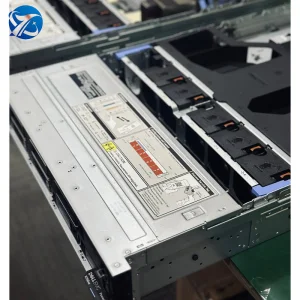
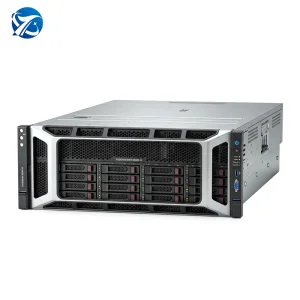
Select high-performance components optimized for next-generation systems architecture, enterprise computing, and cloud deployment.


In modern enterprise computing, the relationship between hardware and its foundational firmware has shifted from standard peripheral initialization to a crucial driver of system performance, cyber-security, and high-performance computing (HPC) optimization. Modern software platforms, particularly those designed for AI inference, containerized virtualization, and hyperconverged networks, demand extremely low latency. Standard, out-of-the-box configurations rarely satisfy these requirements. Consequently, system developers rely heavily on custom BIOS/UEFI modifications, BMC tuning, and hardware component integration to achieve maximum efficiency.
China's manufacturing ecosystem, centering on Guangdong and Shenzhen, has evolved from basic assembly to advanced, high-precision engineering. In this landscape, firmware is no longer treated as static machine code stored on an EEPROM; it is treated as dynamic, intelligent system software. This software actively manages heat dissipation, optimizes memory timing parameters (such as DDR4 and DDR5 registers), enables secure cryptographic boot processes, and guarantees seamless PCIe Gen5 bus operation for high-power GPUs. As a result, Chinese hardware suppliers play an increasingly vital role in deploying next-generation data centers globally.
Arkon Technology Co., Ltd. is a developer and provider of high-performance computing hardware, server integration, and professional technology solutions. With 9 years of industry experience, we specialize in the design, engineering, testing, and global wholesale distribution of advanced IT equipment and server hardware.
Headquartered in the technological hub of Guangdong, China, we bridge the gap between complex hardware configurations and global enterprise needs. We cater to online platforms, large data centers, research institutions, and individual system administrators, offering custom hardware builds alongside specialized software tuning.
We supply high-performance graphics hardware for gaming, AI training, deep learning virtualization, and professional 3D rendering workstations.
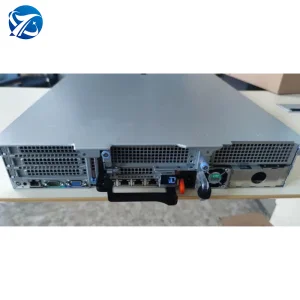
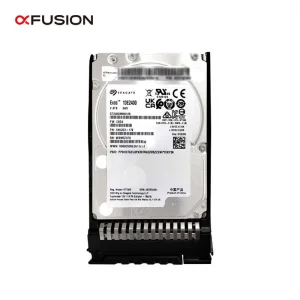
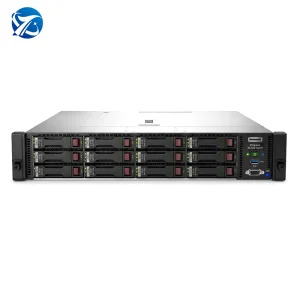
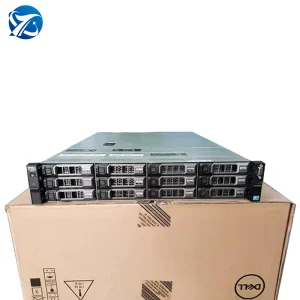
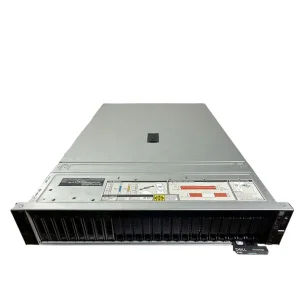
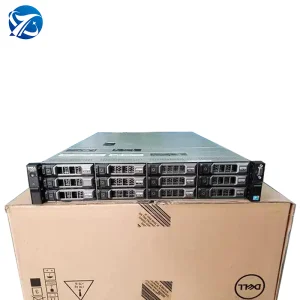
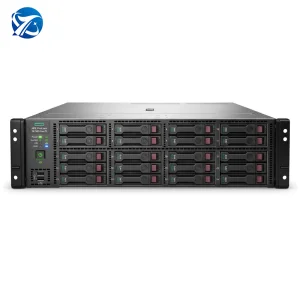
We build tailored solutions using systems like Dell PowerEdge, xFusion, and HPE ProLiant, configured for high-density computing power.
Specialized hardware setups designed for complex neural networks, large language models (LLMs) like DeepSeek, and video analytics.
To build reliable hardware, we must look at how multiple layers of software and firmware interact below the operating system level:
The UEFI serves as the primary gateway between the silicon hardware and the operating system kernel. Modern enterprise UEFI configurations control the Driver Execution Environment (DXE) and Platform Initialization (PI) phases. For hardware like the Dell PowerEdge R760 or HPE ProLiant DL360 Gen12, custom UEFI adjustments allow system engineers to configure ACPI tables, regulate power-on self-test (POST) durations, and customize PCIe slot speed negotiations. Proper configurations here ensure that hardware resources are allocated efficiently from the moment the system boots.
The BMC operates on its own dedicated processor (often ARM-based) separate from the server's primary CPU. It monitors physical sensors, power supplies, and thermal systems using standards like Redfish and IPMI. Custom BMC firmware profiles allow data center managers to optimize fan speed curves, preventing high-density servers (such as 1U/2U multi-socket racks) from throttling thermal performance during intensive computation cycles.
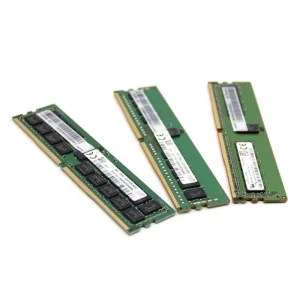
Enterprise storage and memory rely on internal firmware to maintain data integrity and speed. For instance, NVMe SSDs (like the Samsung PM9A3 series) use specialized firmware to handle wear leveling, bad block allocation, and read-disturb protection. Similarly, server memory requires precise Serial Presence Detect (SPD) configurations within the UEFI to match RAM speed to processor memory channels, reducing the risk of system-wide memory errors.
Arkon Technology designs hardware and systems integrations optimized for real-world business scenarios:
Arkon Technology combines technical expertise with reliable global trade operations:
As server and computing technology advances, several trends will shape the future of hardware and firmware integration:
Enterprise businesses are shifting away from closed, proprietary management tools toward open-source options like OpenBMC and LinuxBoot. Open-source code increases transparency, allows system developers to inspect security patches directly, and prevents vendor lock-in. This transition makes systems easier to audit and customize.
Security is moving directly onto the physical hardware. Through Platform Firmware Resiliency (PFR) standards, dedicated security chips monitor SPI flash memory on startup. If the system detects unauthorized alterations to the BIOS or BMC code, it can automatically revert to a known, secure backup version, preventing low-level firmware attacks from compromising the network.
With CXL, modern servers can share memory resources dynamically across high-speed connections. This technology reduces latency between host CPUs and external accelerators, making it easier for large server clusters to share pools of RAM and handle massive databases or AI models efficiently.
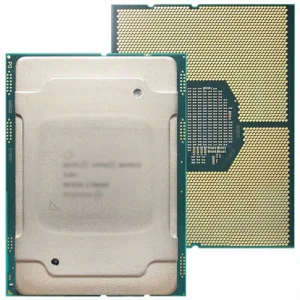
Explore our extended catalog of rack servers, enterprise CPUs, and dedicated AI inference platforms.

Answers to common technical questions regarding server hardware, BIOS optimization, and OEM customization.
How does custom BIOS/UEFI firmware improve enterprise server stability?
Custom BIOS/UEFI configurations allow system administrators to adjust memory timing registers, manage PCIe power allocation, and calibrate power-on processes. Tailoring these settings to specific hardware configurations, such as high-density RAM modules or enterprise GPUs, reduces system boot times, improves data processing speeds, and prevents system errors under heavy workloads.
Why is BMC out-of-band management crucial for large-scale data centers?
The Baseboard Management Controller (BMC) runs independently of the server's main operating system. It allows data center managers to monitor system temperatures, power consumption, and hardware status remotely. By configuring custom BMC profiles, operators can adjust fan speed settings to handle thermal spikes, avoiding performance throttling and hardware wear during intense computation cycles.
What customization options are available through Arkon Technology's OEM/ODM services?
We offer comprehensive OEM/ODM services, including physical chassis modifications, customized system BIOS screens, custom packaging, and buyer logo labeling. These options allow businesses to align server hardware with their brand identity and meet specific physical deployment requirements.
How do PCIe Gen 5.0 configurations affect the performance of AI GPU servers?
PCIe Gen 5.0 doubles the data transfer bandwidth compared to Gen 4.0, which is critical for handling large datasets in AI and deep learning tasks. However, this high speed makes systems sensitive to signal loss. High-quality motherboard design and optimized firmware configuration are essential to ensure stable data transmission and prevent connection drops under full processing loads.
What steps does Arkon Technology take to guarantee hardware quality?
Our quality control process includes checking incoming parts, conducting high-workload burn-in tests on processors and memory, and verifying that all firmware is up to date and secure. We test every system before it leaves our facility to ensure reliable performance on arrival.
How can clients manage international payments and logistics with Arkon?
We support multiple payment methods—including wire transfers (T/T), PayPal, Western Union, and credit cards—across various currencies. Operating near major ports in Shenzhen and Hong Kong allows us to arrange shipping under FOB, EXW, and Express terms, ensuring flexible and reliable delivery options worldwide.
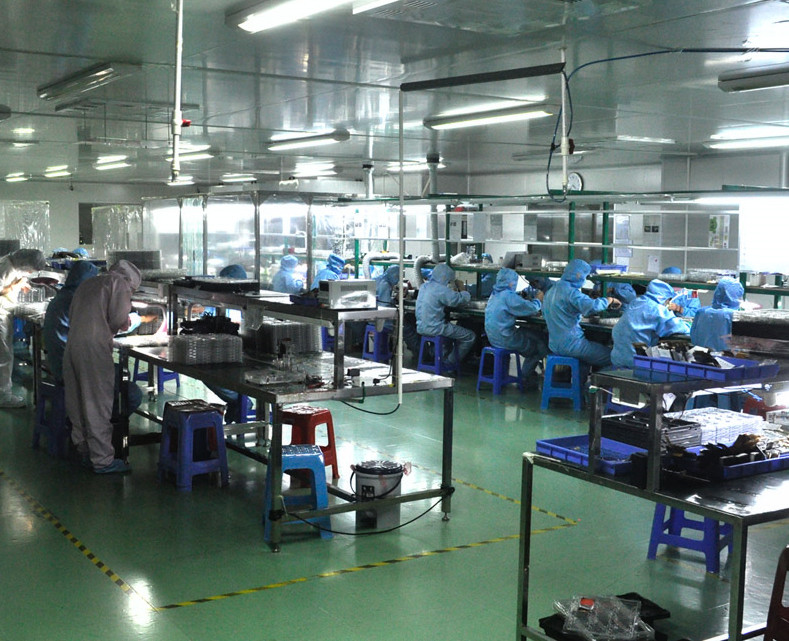
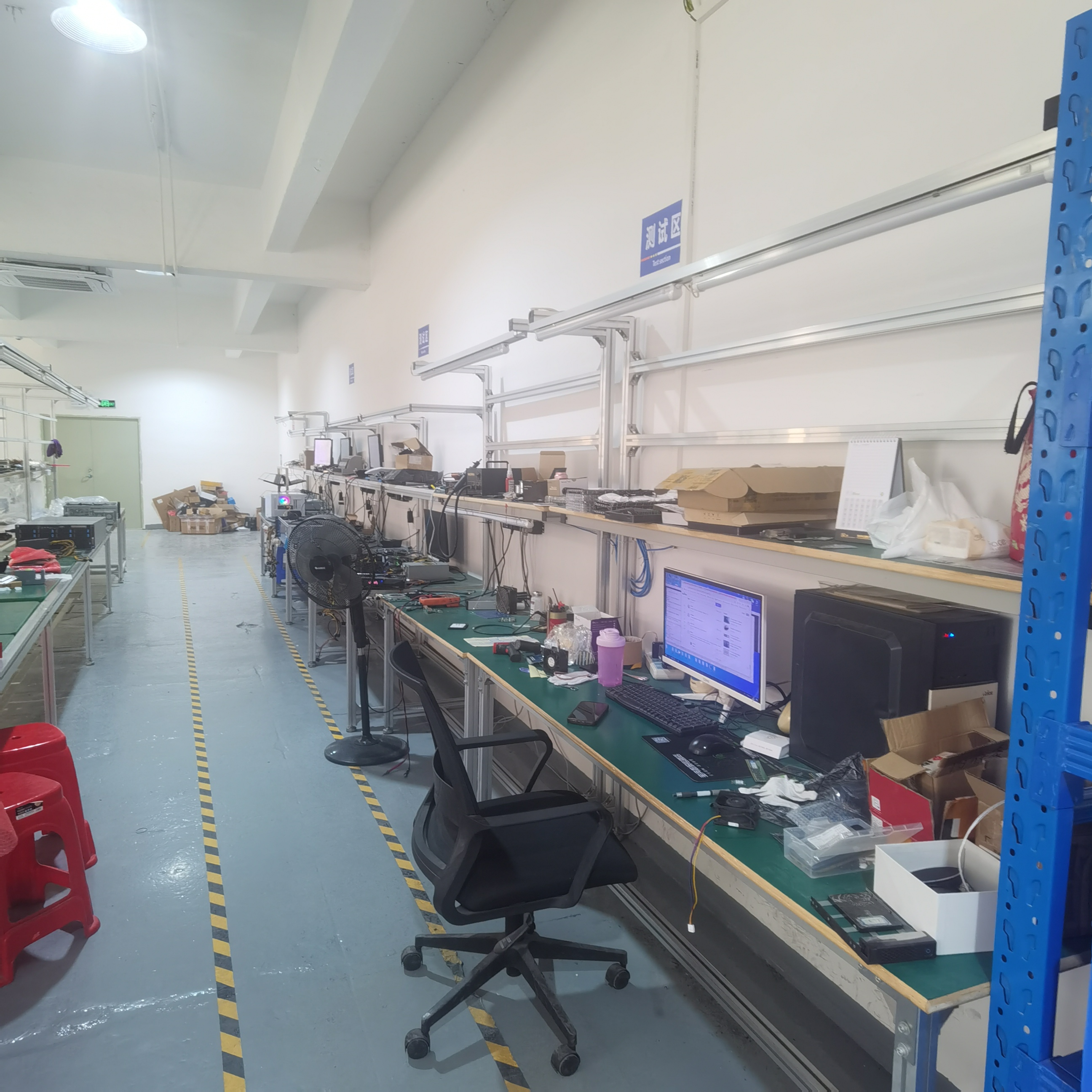
A glimpse into our production, integration, and testing environment in Guangdong, China.
 Arkon Server