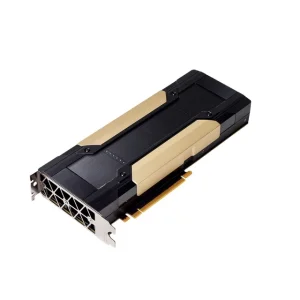
Premium GPU hardware, high-density AI servers, and rackmount infrastructure engineered for next-generation network clusters.


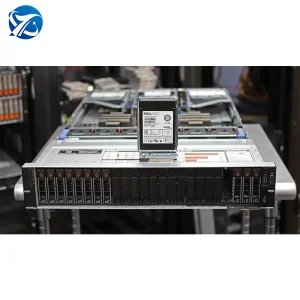
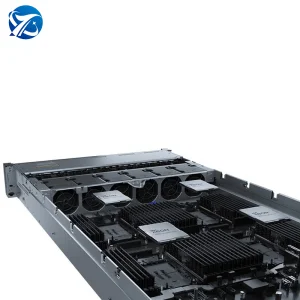
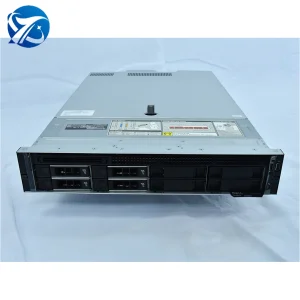

How modern datacenter scaling and industrial automation are reshaping raw network switching architectures on a global scale.
In 2025, the global landscape of network hardware manufacturing is experiencing a fundamental transition. Driven by the mass migration to AI computation systems (such as high-density LLM training clusters, generative inference networks, and complex cloud topologies), the global demand for enterprise and industrial switches has surged beyond traditional metrics. The network switch is no longer just a passive router of localized data; it has evolved into the absolute nerve center of high-throughput compute nodes.
With AI workloads demanding hundreds of gigabytes per second in packet forwarding, the industrial switch sector is migrating to 400G and 800G optical networking arrays. This architecture is fundamental to prevent GPU starvation during massive deep-learning matrix processing loops.
Legacy 3-tier hierarchical models are rapidly being replaced by non-blocking spine-leaf structures. System integrators and telecom networks demand Layer 3 optical switches equipped with ultra-low latency profiles to manage east-west data flow in decentralized networks.
In rugged smart-factory setups, smart grid management, and outdoor edge-computing scenarios, the growth of heavy industrial switches (DIN-rail mounted, IP40/67 certified) is outpacing standard enterprise gear, as they thrive in high electromagnetic interference areas.
The competitive edge of Chinese switch manufacturers lies in extreme vertical integration, component proximity, and rapid customization loops.
Chinese switch manufacturers, concentrated heavily around the Pearl River Delta industrial cluster, deliver an unmatched synergy of structural cost-efficiency, technical engineering depth, and high-velocity shipping options. The structural advantage of sourcing network switches and compute storage hardware from China is built upon three foundational pillars:
From raw multi-layer high-frequency PCB fabrication and silicon packaging, up to specialized thermal assembly facilities and advanced plastic injection plants—all supply-chain sub-components are physically located within a 50-kilometer radius in Guangdong. This layout minimizes raw transit delays, enabling rapid turnaround on wholesale orders.
The capability to construct bespoke OEM/ODM physical products, implement localized buyer labels, and program specific network operating systems (such as custom SONiC adaptations) sets Chinese factories apart. Hardware is optimized quickly to match specific data center architectural demands.
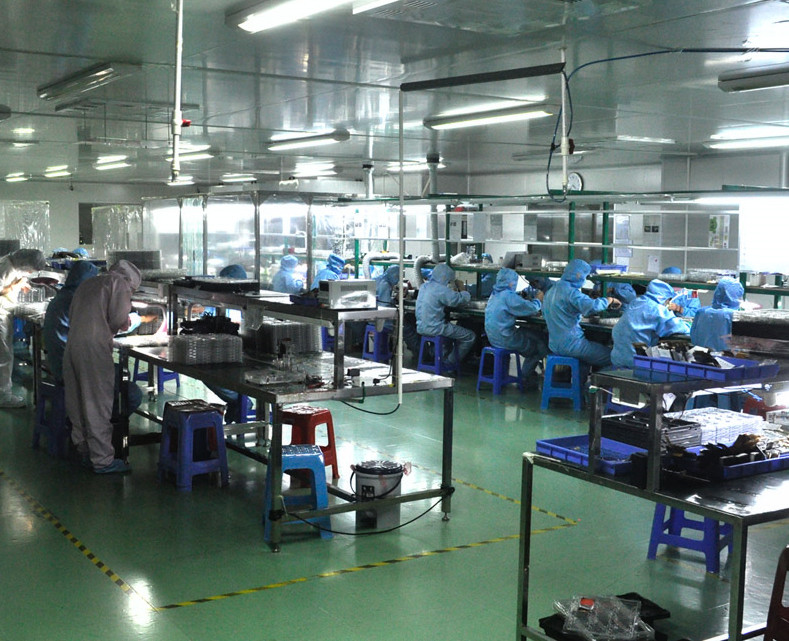
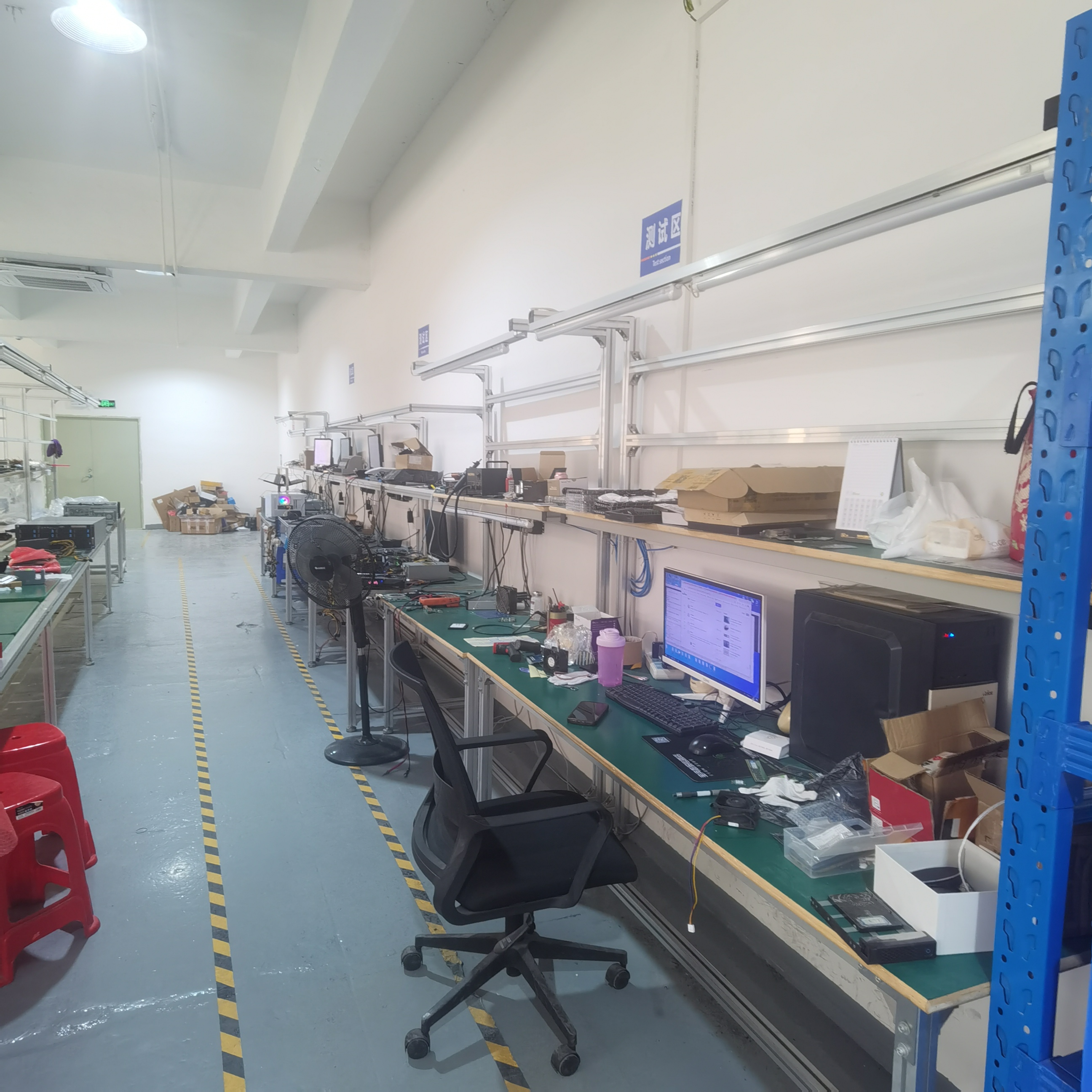
Leading exporters like Arkon Technology utilize multi-tiered QA testing. This comprises automated optical inspection (AOI), thermal stress environmental chambers, continuous packet-loss testing under extreme system loads, and mechanical drop-testing, matching and often exceeding global compliance rules.
| Manufacturing Metric | Guangdong Industry Standard | Western Supply Chains | Direct Strategic Advantage |
|---|---|---|---|
| Prototyping Cycle | 5 - 10 Working Days | 30 - 45 Working Days | Ultra-rapid market deployment for custom designs |
| Raw Component Access | Immediate (Local Sourcing) | Fragmented (Global Logistics Dependent) | Immunity to localized supply chain shocks |
| Customization Scope | Complete Hardware & Software OEM/ODM | Standard Catalog Purchases Only | Perfect alignment with custom AI workloads |
| Average Lead Time (Large Batch) | 2 - 3 Weeks | 8 - 12 Weeks | Accelerates data-center ROI significantly |
The evolutionary trajectory of network switching fabrics, routing silicon, and open-source operating systems designed for LLM clusters.
The horizon of enterprise and cloud networking is moving away from basic, isolated switching hubs. The upcoming decade is defined by deep integration, smart algorithmic congestion control, and the transition of network logic from firmware to dynamic, programmable software-defined networking (SDN) models.
Modern clusters are adopting RDMA over Converged Ethernet (RoCE v2) to establish zero-copy memory transfers between cluster nodes without CPU overhead. This necessitates network hardware that features deep packet buffering and strict priority-based flow control (PFC) to entirely eliminate data-packet drops.
To bypass electrical degradation at extreme signaling rates, transceivers are moving directly onto the ASIC substrate. Co-Packaged Optics (CPO) will drastically reduce power requirements and overall latency, permitting core bandwidth capacities of up to 51.2 Tbps per single rack space.
Future architectures utilize P4 language rules to execute sub-millisecond, AI-assisted path recalculations directly on the switch silicon. Telemetry networks will dynamically auto-adjust configuration profiles in real-time to avoid hot-spots and load-balancer choking points.
Translating raw hardware bandwidth into tailored, highly optimized infrastructure designs for specialized enterprise use-cases.
Designed specifically to route multi-node GPU operations (e.g., DeepSeek and llama-based frameworks). Using ultra-low latency configurations, these fabrics prevent the inter-node synchronization delays that frequently stall computational processes.
For financial and enterprise banking institutions where microseconds represent millions of dollars. Custom-tuned optical core routing layers utilize cut-through switching matrices to forward trading requests with minimal latency jitter.
Connecting extensive municipal WANs and massive corporate backup repositories. High-density Layer 3 switches with robust VLAN segmentation, secure access control lists, and automated traffic shaping maintain continuous uptimes.
A premier global provider of high-performance computing hardware, networking fabrics, and enterprise cloud solutions.
Arkon Technology Co., Ltd. is a professional provider of high-performance computing hardware and technology solutions. With 9 years of deep-seated industry experience, we specialize in the production, wholesale, and global distribution of advanced IT equipment and network frameworks.
We are dedicated to supplying highly reliable, industrial-grade hardware for AI developers, complex datacenters, and modern cloud infrastructures. Our principal catalog segments include:
Our engineering architectures strictly conform to global standards, ensuring seamless imports and local legal compliance.
All export switches, servers, and computational systems adhere strictly to local market standards, including CE (Europe), FCC (North America), RoHS (Material Safety), and ISO9001 quality framework mandates.
We assist our global network clients with multi-lingual remote configuration support, hardware-level diagnostic services, customized localized firmware profiles, and dedicated warranty management protocols.
Leveraging key logistics hubs in Hong Kong and Shenzhen, we route shipments safely via ocean, air, and express options under FOB, EXW, and customized DDP terms to ensure trouble-free customs clearances.
Resolving critical integration questions to assist system architects and purchasing procurement teams.
RDMA over Converged Ethernet (RoCE v2) allows network adapters to transfer data directly from application memory across the network fabric to another remote host without routing through the operating system kernels. This significantly reduces CPU overhead and end-to-end latency, making it vital for inter-GPU communication in massive deep learning arrays.
Optical networks (SFP28, QSFP28, QSFP-DD) provide exponentially greater bandwidth capacities, much lower latency, and zero susceptibility to electromagnetic interference (EMI) compared to copper base-T connections. This makes them ideal for core backbone infrastructures and heavy industrial data environments.
Yes. Under our comprehensive OEM/ODM trade division, we provide complete technical custom operations, including installing specific Network Operating Systems (such as open-source SONiC), specialized VLAN pre-segmentations, customized port-density mappings, and professional branding with private buyer labeling.
We subject all products—including our managed servers, GPUs, and network switches—to rigid diagnostic processes. This includes dynamic software testing loop procedures, physical interface validation checks, and temperature control performance metrics. No equipment leaves our factory floor without passing strict quality assurance checks.
Optical network core switches, rackmount compute modules, high-performance database arrays, and professional storage solutions.
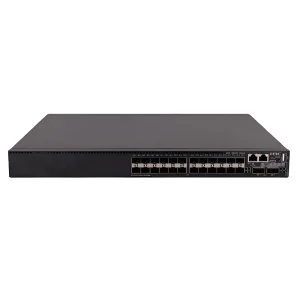
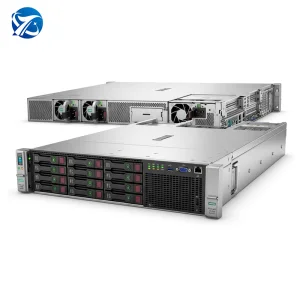
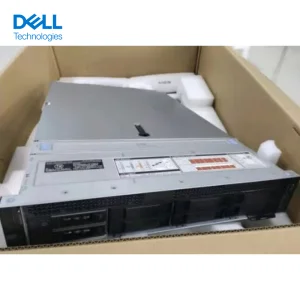
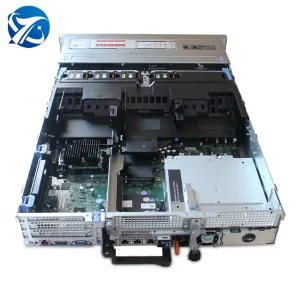
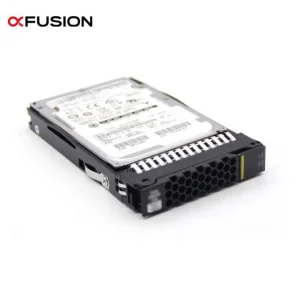

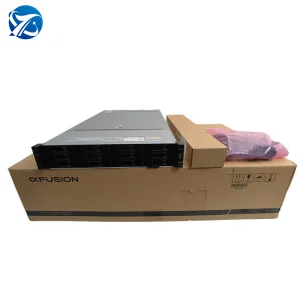
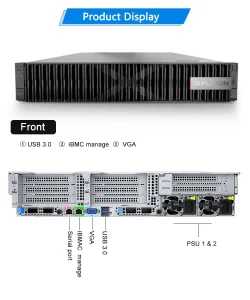
 Arkon Server