High-reliability hardware optimized for continuous data acquisition, field level inference, and industrial computing.
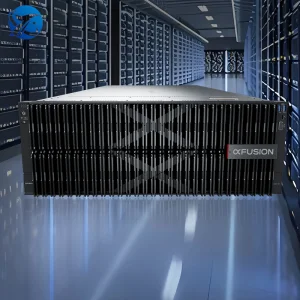
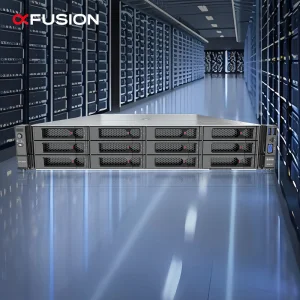
The IoT (Internet of Things) ecosystem is transitioning from simple data acquisition points to dense, high-powered localized processing nodes. Historically, IoT architectures relied completely on central cloud nodes for heavy computation. However, modern commercial and industrial settings require low latency, high resilience, and localized data pre-processing. This evolution has expanded the definition of IoT devices. Today, it encompasses not just low-power sensors, but the entire hardware topology: multi-core edge gateways, storage servers, high-frequency DDR5 ECC memory pipelines, and enterprise-grade solid-state drives (SSDs) designed for heavy read-intensive data collection.
Information Gain Insight: According to recent research from global market intelligence firms, over 75% of enterprise-generated data will be created and processed outside a traditional centralized data center or cloud by 2026. The manufacturers of IoT devices are no longer just component builders; they are providers of robust, edge-capable computational clusters.
Global procurement teams must look past the superficial layer of device specifications to evaluate the reliability, supply-chain depth, and engineering integrity of their manufacturers. In an era plagued by microchip scarcity and volatile logistics, establishing direct partnerships with integrated manufacturers who handle both board-level assembly and system-level configuration is paramount to business continuity.
To assist global procurement officers in selecting partners, we have aggregated the top players driving hardware innovation, reliability, and logistics capacity in the current market:
Global leader in industrial computing, renowned for ruggedized industrial IoT gateways, data acquisition cards, and modular edge intelligence systems.
Dominant force in enterprise networking, offering specialized IoT switch architectures, edge compute routers, and cloud-managed network security appliances.
Guangdong-based powerhouse specializing in high-performance computing hardware, customized GPU systems, deep learning storage solutions, and flexible OEM/ODM integration.
The standard-bearer for MEMS sensors, providing highly energy-efficient sensors for environmental monitoring, orientation tracking, and industrial safety.
Supplies robust Edge Gateway series designed for heavy-duty industrial telemetry alongside massive backend Rack Server arrays supporting enterprise database structures.
Pioneering cellular IoT modules, routers, and SIM connectivity platforms, serving as the link for long-range, smart-city, and logistics tracking hardware.
Delivers high-density multi-socket server nodes and specialized rack-mount engines geared for high-performance edge computing and telecom cloud configurations.
Drives the Edgeline and ProLiant series, bringing converged control systems, deep security architectures, and long-term hardware warranties to remote deployments.
Supplies silicon architecture, low-power processing units, and the OpenVINO toolkit framework that enables rapid neural-network execution directly on field sensors.
Professional provider of high-performance computing hardware, edge infrastructure, and customized enterprise technology solutions.
Established in 2016 in Guangdong, China, Arkon Technology Co., Ltd. has spent nearly a decade cementing its position as a premier developer, distributor, and manufacturer of industrial IT hardware. Operating as an integrated trading company, manufacturer, and wholesaler, we service clients across South America, Africa, North America, Europe, and Asia.
With an annual revenue spanning US$50 Million to US$100 Million, and a dedicated workspace staffed by 51 to 100 seasoned engineering and export professionals, we optimize supply chains to ensure fast responses (under 6 hours) and rapid delivery through logistics clusters in Shenzhen and Hong Kong.
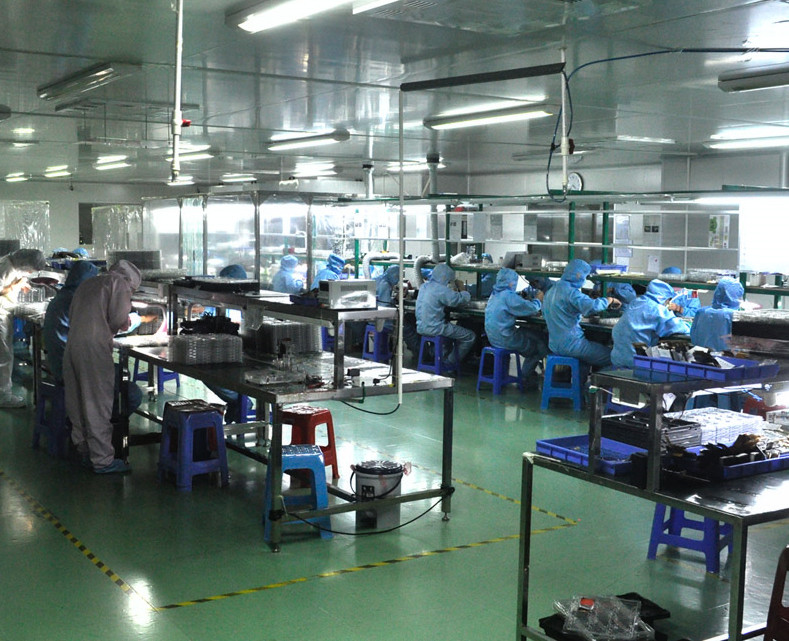
The phrase "Made in China" has undergone a profound evolution. Today, Guangdong’s hardware tech ecosystem represents the pinnacle of Industry 4.0. The region’s strength goes beyond cheap assembly lines; it lies in the dense cluster of specialized component manufacturers, electronic engineers, and testing facilities operating within a 50-kilometer radius.
For global IoT device procurement, this geographic density yields three key advantages:
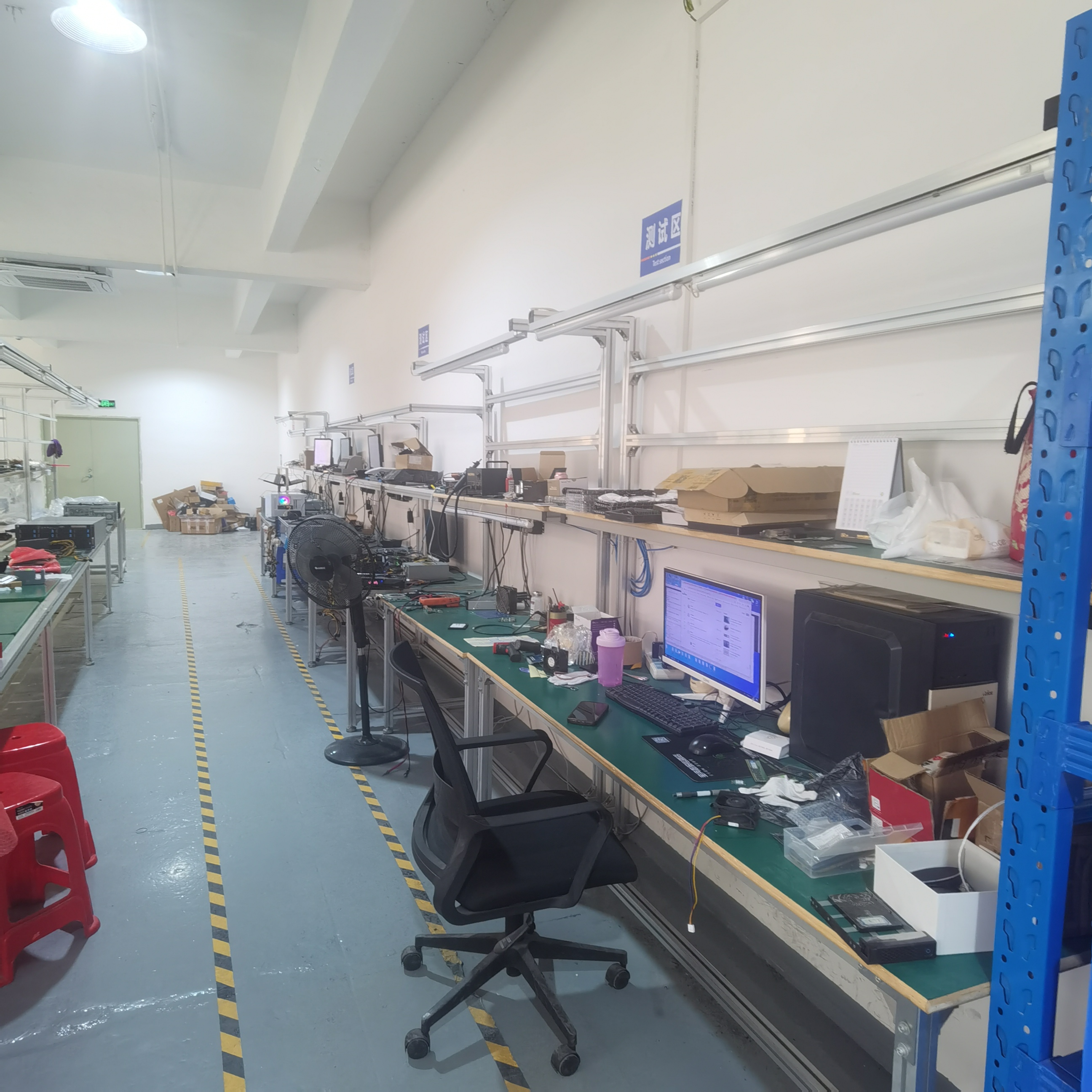
By routing shipments through Shenzhen and Hong Kong ports, manufacturers like Arkon Technology capitalize on world-class freight infrastructure. Whether utilizing sea freight for bulk rack-mount enclosures or express air cargo for critical components (such as DDR5 ECC memory modules or Xeon processors), South China remains the most efficient transit point for global enterprise hardware distribution.
An IoT system is only as reliable as its weakest hardware component. While soft metrics are often discussed, hardware failure at the field level is the primary driver of high maintenance costs. To build resilient edge networks, engineers must prioritize the durability of memory modules and storage drives.
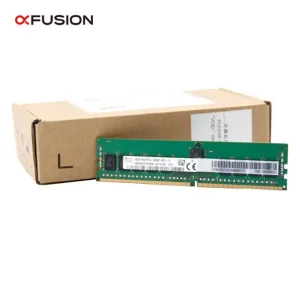
In high-throughput IoT hubs where incoming telemetry data flows continuously from thousands of sensors, memory corruption can lead to system crashes. Modern systems mitigate this by integrating Error-Correcting Code (ECC) memory, such as the xFusion DDR5 RDIMM 6400MHz. ECC memory detects and corrects single-bit errors in real-time, preventing data corruption. Upgrading to DDR5 brings higher bandwidth and lower operating voltages (1.1V vs. DDR4's 1.2V), which reduces heat generation in densely packed enclosures.
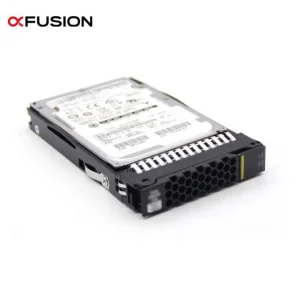
Traditional consumer-grade storage drives fail prematurely under continuous write-heavy logging conditions. Enterprise IoT hubs require dedicated SSDs (such as the Intel/xFusion S4520 Series) designed with high Write Endurance (TBW) ratings. These drives feature robust write-amplification management and power-loss protection capacitors, ensuring that buffered data is safely written to flash memory during sudden power outages.
SEO Value Add: When designing edge architectures, combining high-speed memory with durable storage is critical. Multi-socket Xeon servers equipped with ECC memory and enterprise SATA SSDs prevent bottlenecks, ensuring data remains available and secure at the point of ingestion.
Edge servers and IoT hubs are deployed across a variety of demanding environments, each requiring distinct hardware configurations:
Urban traffic networks and safety systems generate massive volumes of high-definition video data. Sending this raw video to the cloud for processing is expensive and slow. By deploying AI Inference GPU Servers locally at municipal hubs, municipalities can run real-time traffic coordination, license plate recognition, and safety alerts directly at the edge, reducing response times to milliseconds.
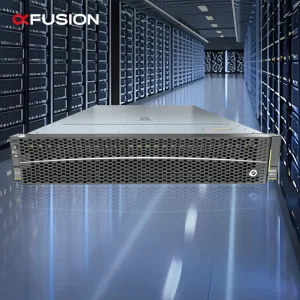
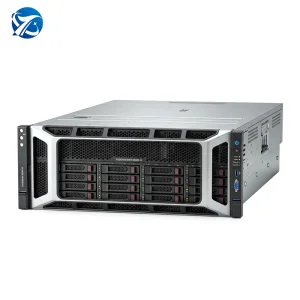
Factory floors require reliable, real-time data processing. Edge compute platforms like the xFusion FusionServer 2288H V6 process high-frequency vibration and acoustic data from factory machines. This data is fed into local machine learning models that detect early signs of component failure, allowing maintenance teams to schedule repairs before unexpected breakdowns occur.
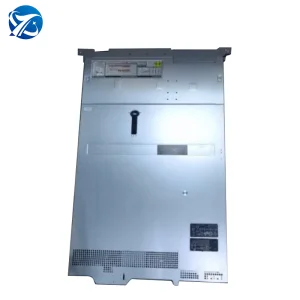
Modern distribution warehouses rely on localized data hubs to coordinate autonomous mobile robots (AMRs) and automated sorting systems. Compact 1U and 2U rack servers process barcode scans, load distributions, and inventory movements on-site. This architecture ensures that operations continue running smoothly even if connection to the central cloud is lost.
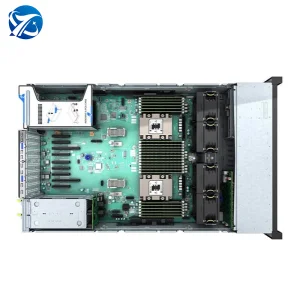
Telecommunication structures require rugged, reliable hardware that can operate unattended. High-density servers, equipped with redundant power supplies and high-frequency DDR5 memory, process network traffic and run virtualized routing software in remote cabinets under harsh conditions.
Technical answers to key hardware questions, helping procurement teams make informed decisions.
Enterprise hardware is built for continuous, 24/7 operation and features redundant power supplies, hot-swappable drives, ECC (Error-Correcting Code) memory, and longer support cycles. Consumer hardware is designed for intermittent use and lacks the component-level redundancy required for high-availability systems.
DDR5 ECC memory detects and corrects memory errors automatically. At the edge, where electrical noise, cosmic rays, and temperature fluctuations can cause data corruption, ECC memory prevents system crashes and protects data integrity during real-time processing.
We provide end-to-end design and manufacturing services, from custom metalwork and cooling systems to motherboard BIOS configurations and custom packaging. Our engineering team works directly with clients to meet their technical and regulatory requirements.
Every server, GPU, and memory module undergoes a strict quality control process, including thermal cycling, memory stress testing, and visual inspections. This ensures all components arrive in working order and are ready for deployment.
Guangdong offers an integrated manufacturing ecosystem with easy access to raw components, advanced assembly facilities, and skilled engineering talent. Proximity to Hong Kong and Shenzhen ports also ensures reliable global logistics.
Advanced computing units, storage arrays, and network hardware built to power intensive industrial applications.
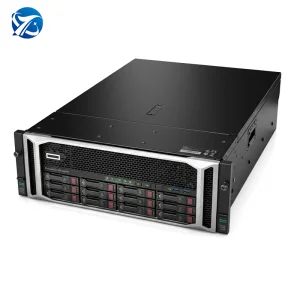
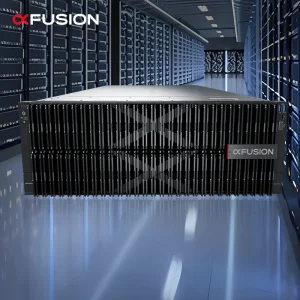
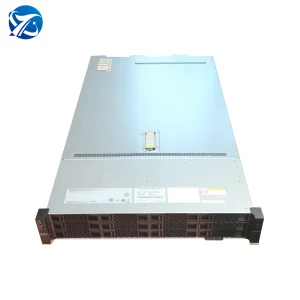
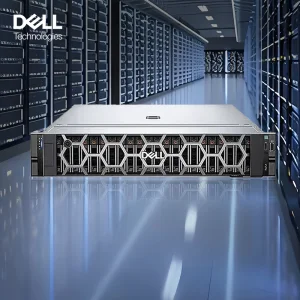
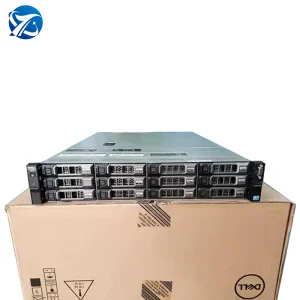
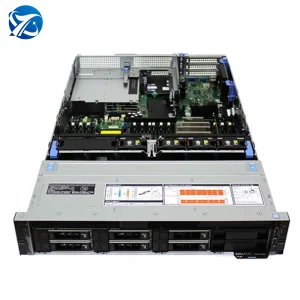
 Arkon Server