Explore our leading catalog of certified high-density servers, GPU compute nodes, and carrier-grade network switches.
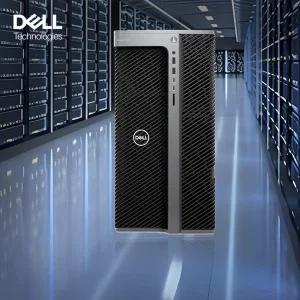
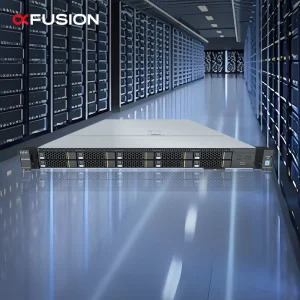
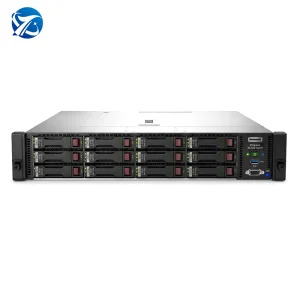
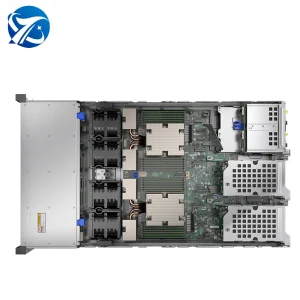
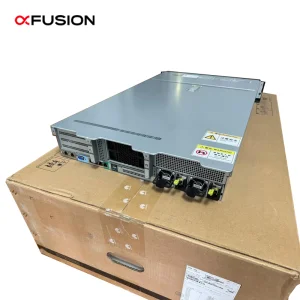
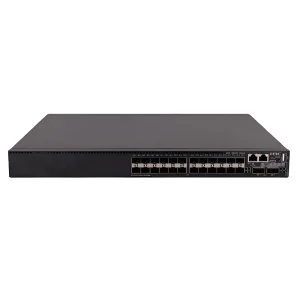
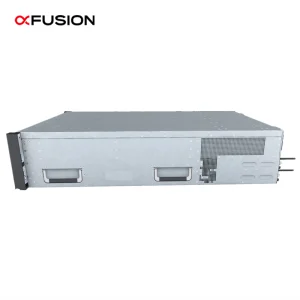
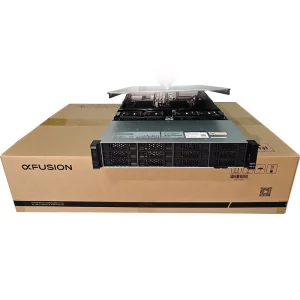
As artificial intelligence workloads scale exponentially, the demand for enterprise computing infrastructure has shifted. xFusion Digital Technologies Co., Ltd., emerging from a pedigree of high-performance computing hardware development, has established itself as an industry powerhouse. Focusing on reliability, extreme thermal efficiency, and open-ecosystem compatibility, xFusion servers support the backbone of top-tier cloud operators, financial platforms, and localized deep learning nodes.
Through robust partnerships with global hardware component manufacturers, system integrators, and value-added distributors, xFusion products provide unparalleled performance-per-watt metrics. In particular, the transition from V5 platforms to Intel® Xeon® Scalable Gen 4/Gen 5 (V7 models) highlights an architectural roadmap designed to optimize multi-tenant virtualization, hyperconverged infrastructure (HCI), and massive matrix multiplications typical of modern Large Language Models (LLMs) like DeepSeek.
A trusted global supplier, manufacturer, and distributor of high-performance computing hardware and enterprise system solutions.
Established in 2016 in Guangdong, China, Arkon Technology Co., Ltd. has developed over 9 years of expertise in server integration, graphics card distribution, and industrial-grade mining rig chassis design.
Supporting seamless global logistics via premium shipping options through Shenzhen and Hong Kong deep-water ports.
We customize system board bios configurations, asset tag branding, and packaging designs.
Arkon Technology specializes in combining hardware sourcing from top factories with custom-tailored configuration solutions. Whether deployment involves 1U high-density compute clusters, 2U hyperconverged systems, or 8U GPU training chassis supporting DeepSeek AI platforms, our engineering team ensures that every platform meets the exact performance parameters required.
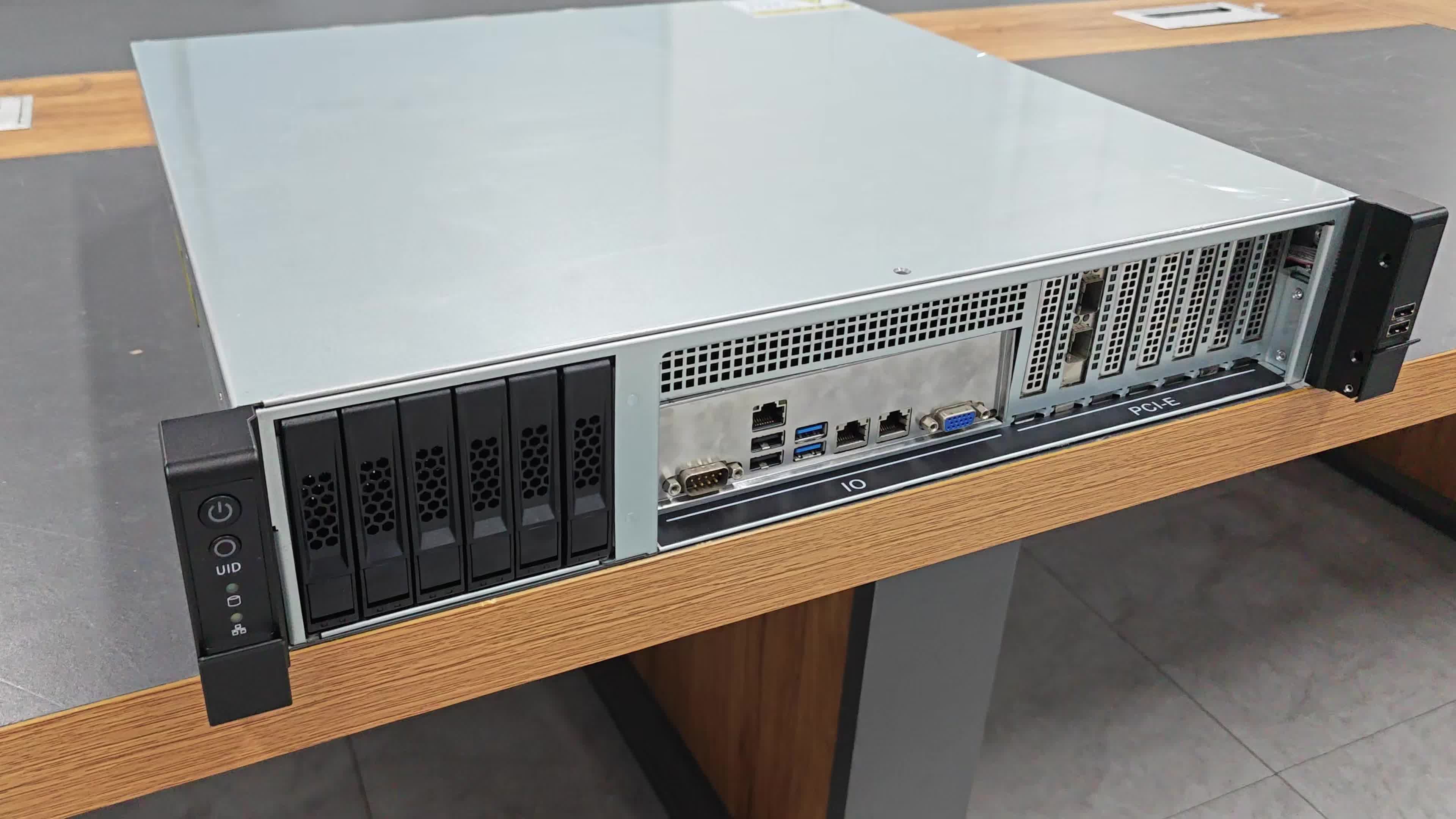
The modern enterprise datacenter landscape relies heavily on open architecture platforms capable of rapid expansion. xFusion Digital Technologies has secured its market share by positioning its product lines as highly adaptable alternatives to traditional legacy manufacturers. By designing motherboards that utilize industry-standard components while implementing proprietary thermal and power management algorithms, xFusion platforms run efficiently under intense workloads. Globally, the industrial transition to hybrid cloud environments requires servers that interoperate smoothly with existing infrastructure, such as Dell PowerEdge and HPE ProLiant platforms.
Understanding structural differences across brands is key for technology directors. The following matrix illustrates the technological variations between popular high-performance enterprise server configurations:
| Feature Set | xFusion FusionServer 2288H V7 | Dell PowerEdge R960 | HPE ProLiant DL360 Gen12 |
|---|---|---|---|
| Form Factor | 2U Rack Server (2-Socket) | 4U Rack Server (4-Socket) | 1U Rack Server (High-Density) |
| CPU Compatibility | Intel® Xeon® Gen 4 / Gen 5 Scalable | Intel® Xeon® Gen 4 Scalable (Up to 4) | Intel® Xeon® Gen 5 / Gen 6 Scalable |
| Memory Capacity | Up to 32x DDR5 DIMMs | Up to 64x DDR5 DIMMs | Up to 32x DDR5 DIMMs |
| Storage Versatility | Up to 28x NVMe/SSD drive configurations | Enterprise 2.5" / SAS / SATA drive bays | High-density EDSFF Form Factors |
| Primary Target Workload | Virtualization, AI Inference, HCI | Mission-Critical ERP, Heavy Databases | Dense Edge Compute, Liquid-Cooled AI |
As localized large models like DeepSeek change the accessibility of machine learning, on-premise compute nodes have become essential. Deploying these neural networks requires high bandwidth and low latency across components. The FusionServer G5200 V7 and the high-density GPU platforms are specifically optimized to host modern accelerators. With support for up to 8 dual-slot GPU accelerators on PCIe 5.0 buses, these servers handle training tasks and massive concurrent inference queries with minimal bottlenecks.
"For modern AI deployment, memory latency and local high-speed storage are just as critical as raw FLOPS. Standardizing on V7 platforms with PCIe 5.0 storage routes enables real-time throughput scaling."
— Chief Technology Officer, Arkon Technology Co., Ltd.
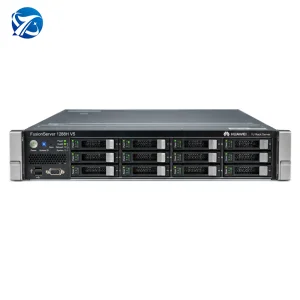
Different sectors have varying hardware requirements. In healthcare, compliance mandates require isolated data storage, making high-density systems like the FusionServer 1288H V5 and V6 ideal. In finance, where transaction processing speeds are paramount, multi-socket Intel Xeon systems like the Dell PowerEdge R960 deliver the necessary processing threads. For public cloud providers, the focus is on hyperconverged platforms like the 2288H V7, which simplify physical maintenance, lower operational expenditures, and reduce server replacement costs.
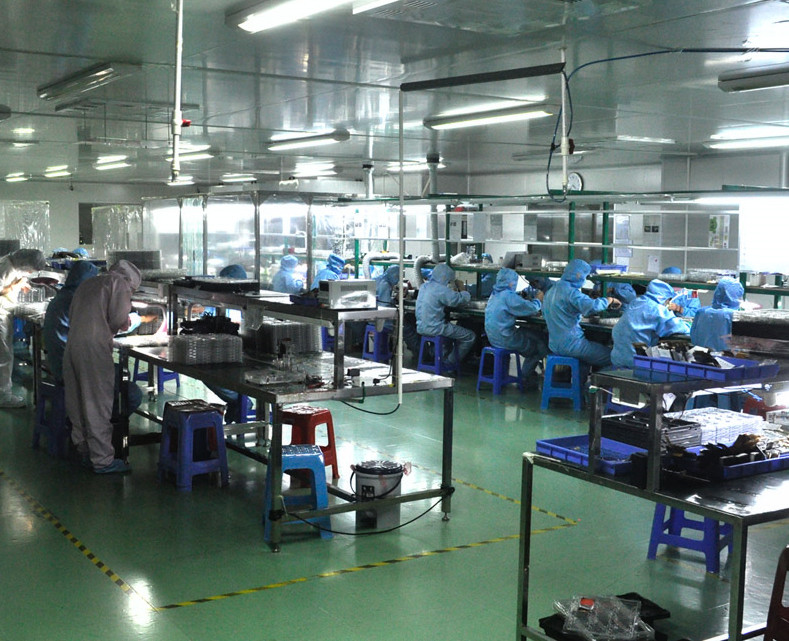
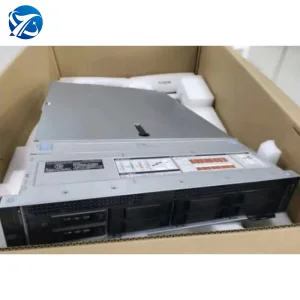
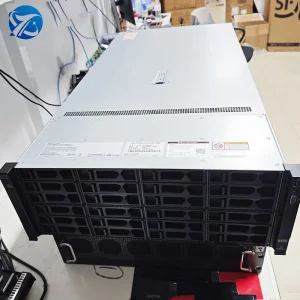
Figure 1: Quality inspection phase for high-density multi-socket servers prior to global dispatch.
The datacenter sector is actively working to reduce carbon emissions. High-performance processors require advanced cooling methods to manage thermal load. The industry is moving from air cooling to liquid-cooling designs, such as direct-to-chip liquid loops. HPE ProLiant Gen12 and high-end xFusion models are incorporating liquid cold-plates to dissipate heat directly from CPU and GPU components. This allows datacenters to lower their Power Usage Effectiveness (PUE) to less than 1.15, meeting environmental regulations and reducing operational utility costs.
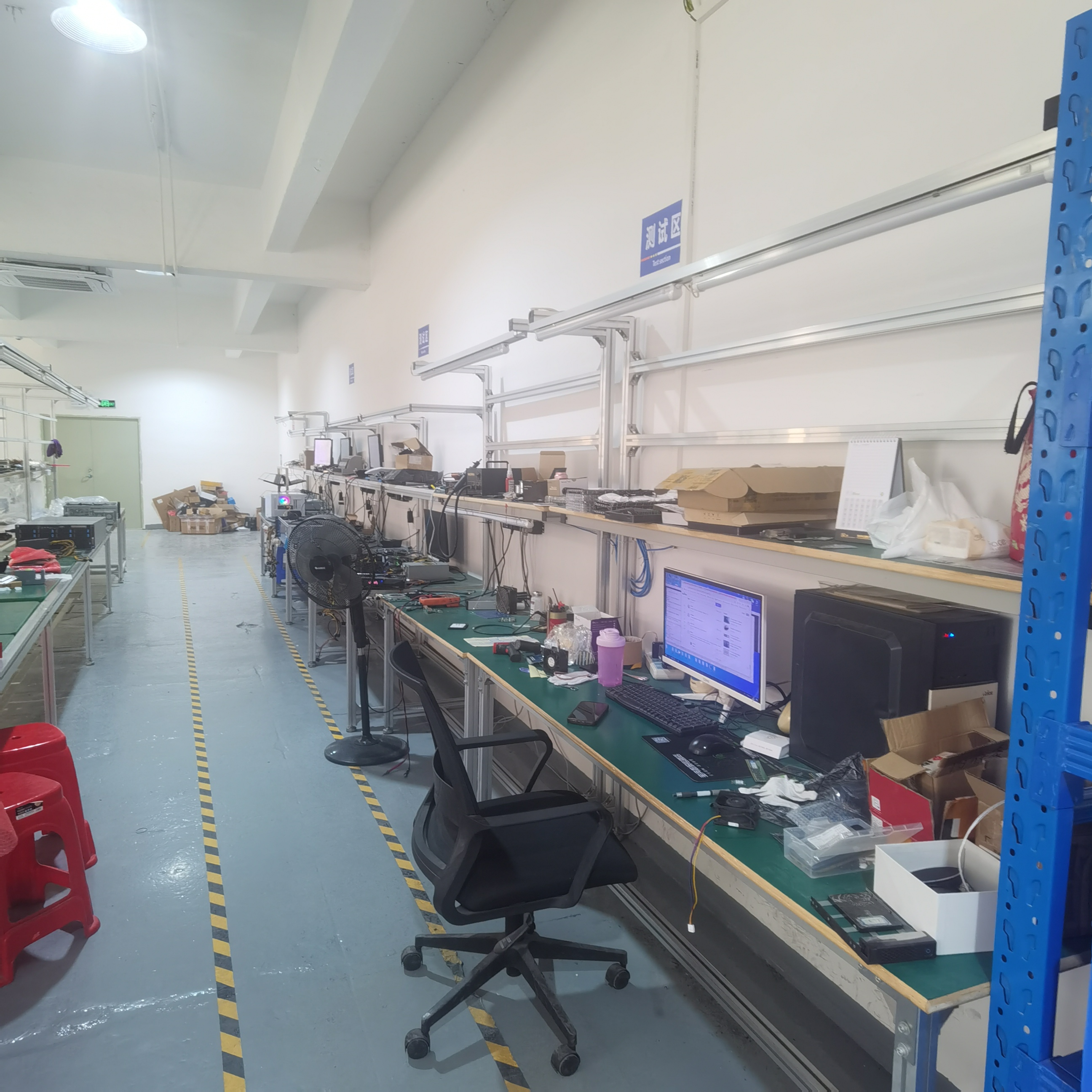
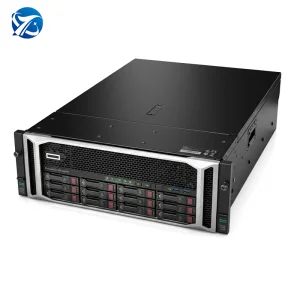
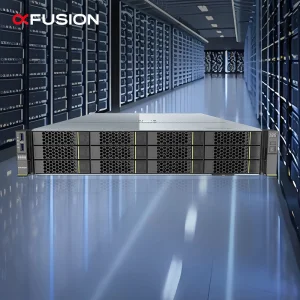
Figure 2: Integration of high-density nodes in rack environments for stress-testing procedures.
Expert answers addressing the technical details of server compatibility, AI deployment, and global logistics.
Enterprise rack platforms, hyperconverged solutions, and customizable GPU training modules.
 Arkon Server