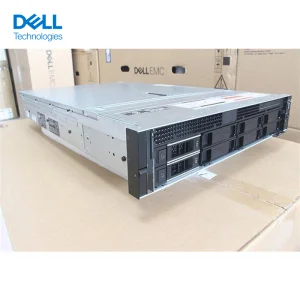
High-Density 1U/2U/4U Rack Servers & Storage Solutions for Enterprise Virtualization and AI Hyper-Converged Infrastructure

Insights into workload consolidation, bare-metal hypervisors, and global server manufacturing trends
The server virtualization landscape is experiencing a massive paradigm shift. Enterprise organizations are moving away from traditional single-vendor hypervisor lock-ins toward decoupled, open-source hyper-converged infrastructures (HCI), container-native virtualization (such as KubeVirt), and multi-cloud orchestration.
Driven by rising licensing overheads and the demanding requirements of Artificial Intelligence (AI) and Machine Learning (ML) workloads, hardware selection now dictates virtualization efficiency. Modern enterprise servers must integrate multi-socket Intel Xeon 6 or AMD EPYC processors, high-speed PCIe Gen5/Gen6 interconnects, CXL 2.0/3.0 memory pooling, and direct GPU virtualization capabilities (vGPU/MIG).
Modern bare-metal hypervisors (such as KVM, VMware ESXi, Proxmox VE, and Microsoft Hyper-V) rely heavily on silicon-level instruction extensions including Intel VT-x, AMD-V, SR-IOV (Single Root I/O Virtualization), and IOMMU hardware mapping.
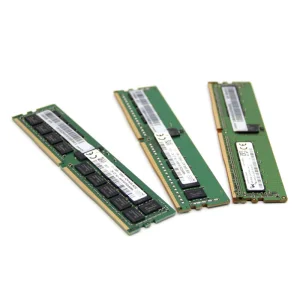
To support high-density Virtual Machines (VMs) without I/O bottlenecks, server OEMs and original design manufacturers (ODMs) design specialized enterprise platforms featuring high-bandwidth NVMe-oF (NVMe over Fabrics) storage arrays, ultra-fast RDIMM DDR4/DDR5 channels, and redundant industrial power delivery architectures.
Comprehensive comparative analysis of hardware performance, virtualization hypervisor support, and global export capabilities
| Manufacturer / Brand | Flagship Rack / Blade Platforms | Supported Hypervisors | Core Hardware Strengths | Primary Export Markets |
|---|---|---|---|---|
| 1. Dell Technologies | PowerEdge R760, R750xs, R660, XE9680 | VMware ESXi, Hyper-V, KVM, Proxmox | iDRAC9 management, high PCIe density, scalable vSAN nodes | North America, Europe, Asia-Pacific |
| 2. HPE (Hewlett Packard Enterprise) | ProLiant DL380 Gen11, DL360 Gen12, Synergy | VMware, Red Hat OpenShift, KVM | Silicon Root of Trust, HPE GreenLake integration, Smart Array RAID | Global, Middle East, LATAM |
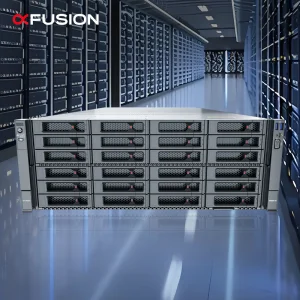
| 3. xFusion Digital Technology | FusionServer 2288H V6, 1288H V6, G5500 V6/V7 | KVM, FusionCompute, VMware, Proxmox | High energy efficiency, advanced thermal design, AI GPU density | Europe, South America, Southeast Asia |
| 4. Lenovo Infrastructure Solutions | ThinkSystem SR650 V3, SR630 V2, ThinkAgile | VMware ESXi, Nutanix AHV, Hyper-V | XClarity controller, high reliability metrics, flexible modular bays | Global Enterprise & Data Centers |
| 5. Supermicro | SYS-221H-TNR, GPU Rackmount Systems | KVM, Proxmox, VMware, Xen | Building Block Solutions®, liquid cooling, raw computational density | North America, EU, East Asia |
| 6. Inspur Information | NF5280M6, NF5488M6 AI Server | KVM, VMware, OpenStack | Hyperscale cloud optimization, rapid custom BOM manufacturing | Asia-Pacific, Latin America, EMEA |
| 7. Cisco Systems | UCS C220 M7, UCS C240 M7, Blade Chassis | VMware ESXi, Hyper-V, Cisco Intersight | Unified Computing System, fabric interconnects, network virtual isolation | Global Tier-1 Enterprises |
| 8. H3C Technologies | UniServer R4900 G6, R4700 G6 | CAS Hypervisor, KVM, VMware | Hyper-converged virtualization optimization, native security chips | Asia, Middle East, Eastern Europe |
| 9. IBM Infrastructure | Power S1022, IBM Z Series Mainframes | PowerVM, KVM, Red Hat Enterprise Linux | Confidential computing, maximum mission-critical uptime (99.9999%) | Global Financial & Gov Institutions |
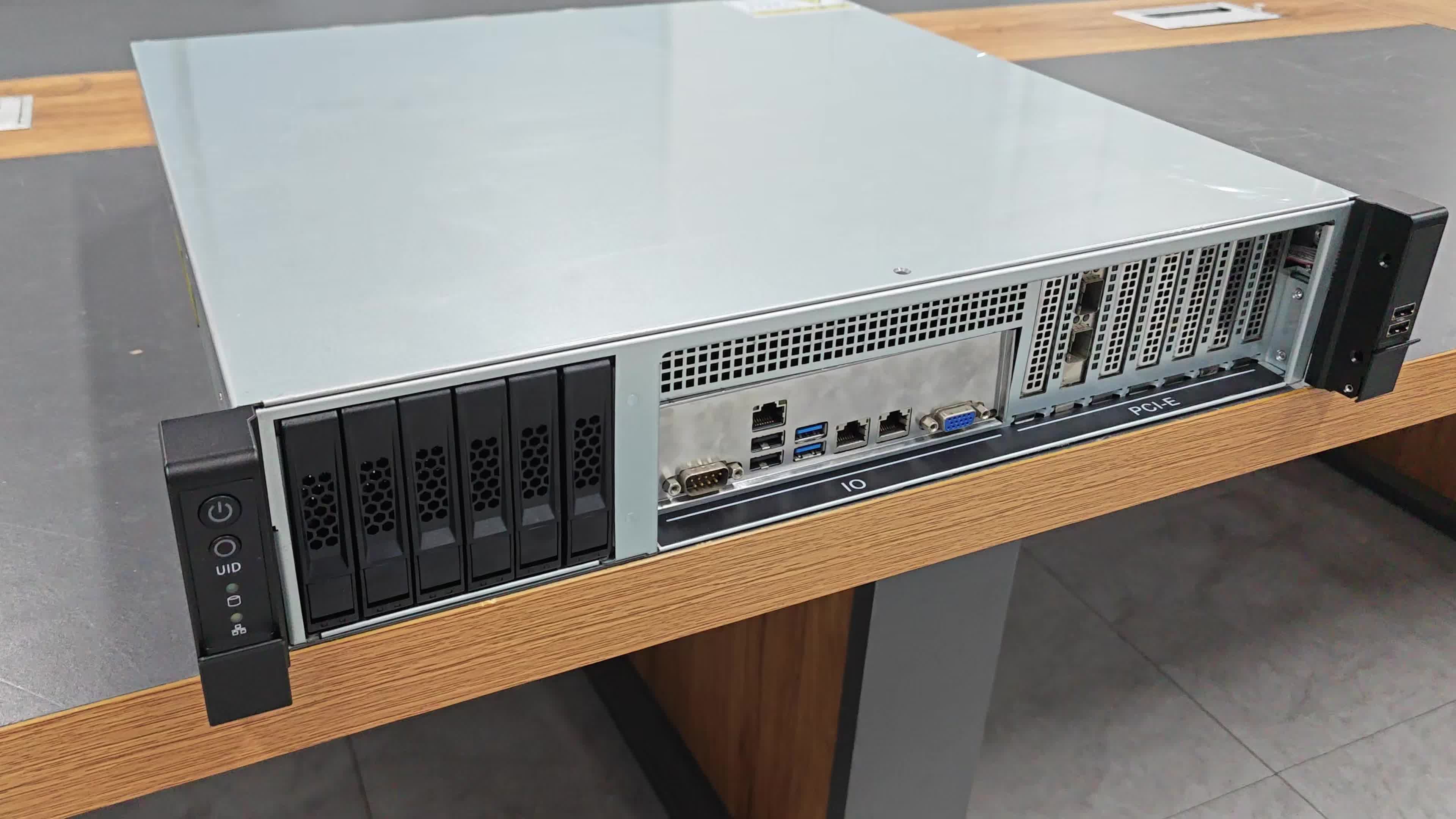
| 10. Arkon Technology / Shenzhen OEMs | Custom 1U-4U Rack, GPU Servers, High-Density Storage | KVM, Proxmox VE, VMware, OpenStack, Windows Server | Agile OEM/ODM customization, cost-effective BOM sourcing, rapid export | Global Supply Chains, SMBs, System Integrators |
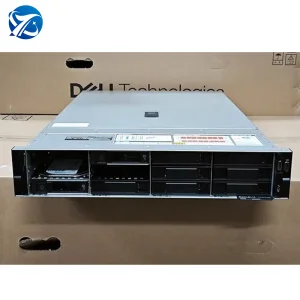
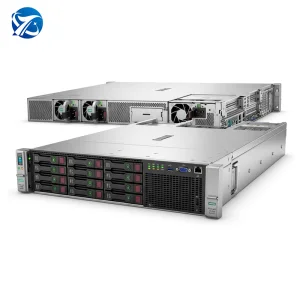
Dell PowerEdge rack servers (e.g., R750xs, R660) are ubiquitous in virtualized enterprise environments. Equipped with Integrated Dell Remote Access Controller (iDRAC9), these platforms enable bare-metal telemetry, automated hypervisor deployment, and high-performance vSAN cluster configuration.
Ideal For: Tier-1 data centers, VMware vSphere environments, high-availability hybrid clouds.
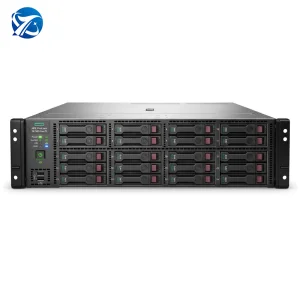
HPE ProLiant Gen11 and Gen12 compute platforms utilize HPE Silicon Root of Trust to protect hypervisor firmware from rootkit attacks. With high PCIe 5.0 expansion capabilities and HPE Smart Array storage controllers, HPE provides continuous operational resiliency for VM environments.
Ideal For: Mission-critical enterprise workloads, zero-trust cloud infrastructure, distributed micro-VMs.
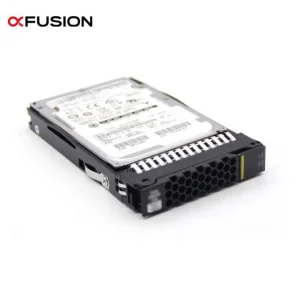
xFusion FusionServer models (such as the 1288H V6, 2288H V6, and G5500 Series) deliver exceptional energy efficiency and computing density. Optimized for vector processing and AI virtualization, xFusion server hardware seamlessly bridges high-speed NVMe storage arrays with virtualized GPU clusters.
Ideal For: Deep Learning VM nodes, high-density data analytics, edge-to-cloud server infrastructure.
Emerging technologies shaping the future of server hardware and virtualized cloud infrastructure
Compute Express Link (CXL) enables cache-coherent memory sharing between CPUs, GPUs, and virtualized workloads. By disaggregating RAM from single host sockets, virtual hypervisors can dynamically allocate memory pools across multiple physical servers, eliminating memory stranded issues and lowering host TCO.
Legacy virtualization treated GPUs as pass-through devices. Modern enterprise virtualization uses hardware-level slicing (e.g., NVIDIA MIG and SR-IOV for accelerators) to split physical GPU compute engines into multiple fully isolated virtual GPU instances with dedicated memory and cross-bar interconnects.
Security architectures like AMD SEV-SNP (Secure Encrypted Virtualization-Secure Nested Paging) and Intel TDX (Trust Domain Extensions) protect running Virtual Machines from compromised hypervisors. Memory encryption keys are managed directly by hardware security processors.
How virtualized server infrastructure accelerates compute workloads across major business domains
Financial institutions demand sub-microsecond latency and 100% deterministic hardware execution. Virtualized compute nodes utilize Kernel-based Virtual Machine (KVM) tuning, CPU core pinning (numactl), Direct I/O (VFIO), and SmartNIC offloading (DPDK) to deliver hypervisor isolation while maintaining physical bare-metal speed for trading algorithms and transactional ledgers.
Hospitals and medical imaging networks rely on high-reliability hyper-converged nodes to manage electronic health records (EHR) and PACS picture archiving systems under strict compliance framework guidelines (such as HIPAA and GDPR).
Telecommunication service providers replace proprietary hardware black-boxes with virtualized Open RAN (vRAN) architectures hosted on high-density 1U/2U rack servers (e.g., HPE ProLiant DL360 Gen12, Dell PowerEdge R660).
Smart factories deploy short-depth, rugged GPU rack servers on assembly lines. Virtual machines execute automated optical inspection (AOI) machine vision applications alongside industrial Programmable Logic Controller (PLC) virtualization software.
Why international integrators and global enterprises partner with Greater Bay Area server manufacturers
Located in Guangdong, the heart of the global electronics component ecosystem, Chinese server exporters maintain direct relationships with semiconductor foundries, memory fabricators, and chassis fabricators. Proximity to major deep-water shipping hubs in Shenzhen and Hong Kong cuts export lead times significantly.
Unlike rigid off-the-shelf tier-1 brands, specialized Chinese server OEMs offer customized Bill of Materials (BOM) matching exact customer budgets—integrating specific enterprise RDIMM memory channels, dedicated RAID controllers, specialized network interface cards (NICs), and branded chassis labeling.
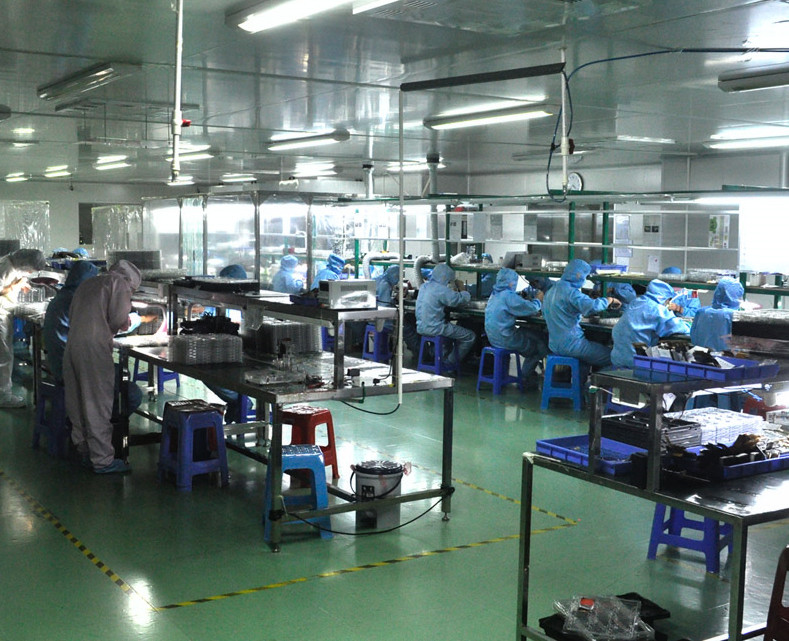
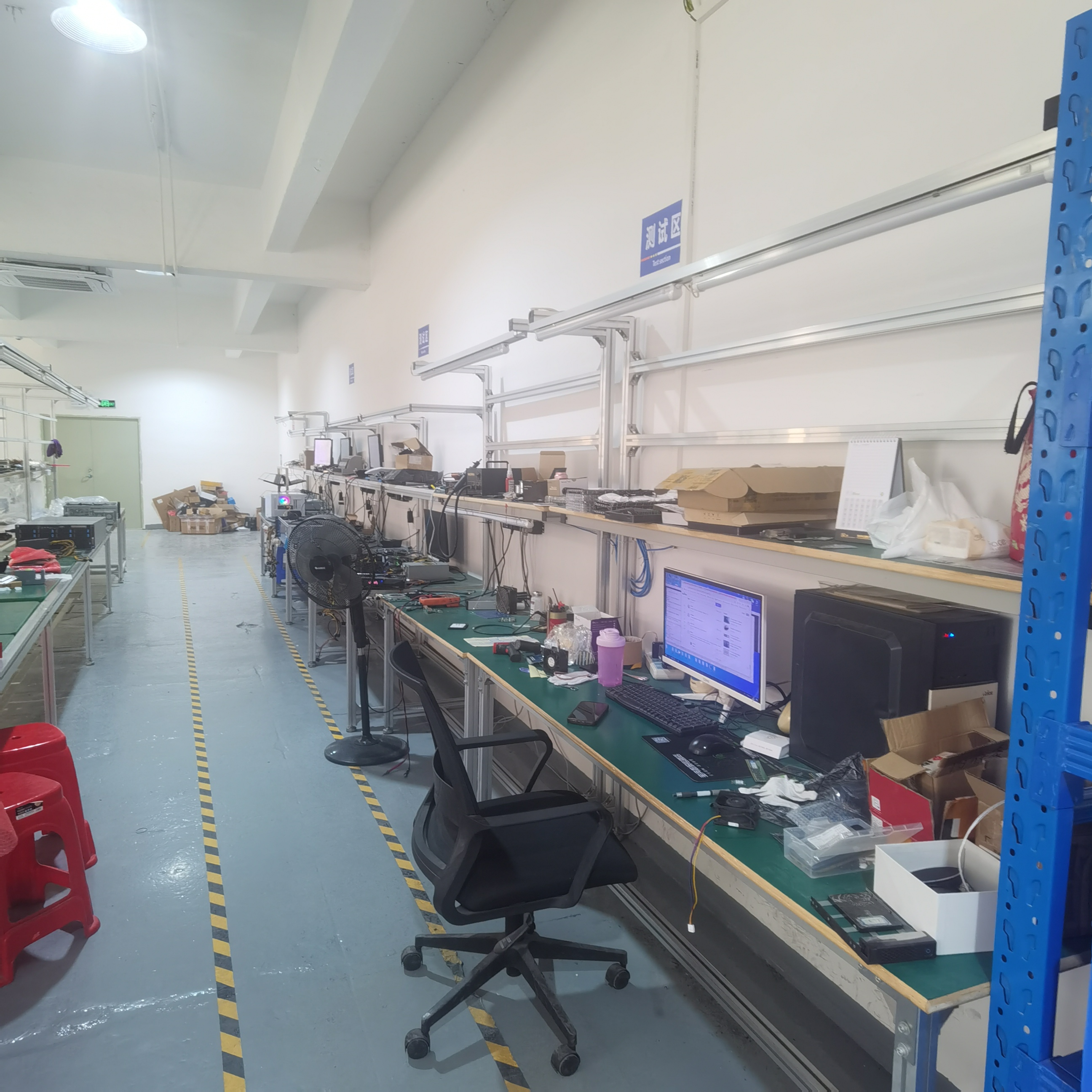
Export-ready server platforms undergo rigorous testing protocols, including high-temperature thermal stress chamber burn-in testing, PCIe signal integrity validation, memory bit error rate testing (BERT), and full hypervisor installation tests before international dispatch.
A trusted global partner for high-performance enterprise hardware and virtualization computing solutions
Arkon Technology Co., Ltd. is a professional provider of high-performance computing hardware and technology solutions. With 9 years of industry experience, we specialize in the production, wholesale, and global distribution of advanced IT equipment.
We are committed to providing reliable hardware for gamers, data centers, and AI infrastructure. Our main product categories include:
Quality Assurance: We adhere to strict quality control processes, including multi-stage testing to ensure enterprise product reliability.
Global Reach: Our products are trusted by clients across South America, Africa, North America, Europe, and Asia.
Expert Technical Support: With a dedicated international trade team of over 50 professionals, we guarantee a fast response time (≤6 hours).
Flexible Customization: We provide comprehensive OEM/ODM services, including custom hardware product design and buyer labeling to suit your specific branding needs.
Looking for a reliable hardware partner?
At Arkon Technology Co., Ltd., we combine technical expertise with exceptional customer service to help your business scale. Contact us today to discuss your server and virtualization hardware requirements!
Ensuring seamless deployment, hardware interoperability, and international export safety
All enterprise virtualized servers exported meet rigorous international compliance standards, including CE, FCC, RoHS, and ISO9001 quality management standards, ensuring trouble-free customs clearance and safe deployment in data centers worldwide.
Hardware platforms support TPM 2.0 (Trusted Platform Module) modules and secure boot protocols compliant with global data protection frameworks such as GDPR and HIPAA, protecting virtualized databases from physical tampering.
From door-to-door air express to full-container-load (FCL) sea freight via Shenzhen/Hong Kong ports, customized shock-absorptive packaging ensures sensitive server memory and CPU components arrive undamaged.
Expert answers to common questions regarding enterprise hardware procurement, hypervisor compatibility, and optimization
High-density VM virtualization requires high core-count CPUs (e.g., Intel Xeon Silver/Gold/Platinum or AMD EPYC), multi-channel RDIMM RAM (DDR4/DDR5) to avoid memory starvation, enterprise SSDs with high IOPS for storage pools (vSAN/Ceph), and multi-port Gigabit/10GbE/25GbE NICs with SR-IOV support.
Type-1 hypervisors (e.g., VMware ESXi, KVM, Microsoft Hyper-V) run directly on the bare server hardware without an underlying host operating system, offering maximum CPU efficiency, lower latency, and superior I/O throughput. Type-2 hypervisors run inside an existing OS and are typically reserved for client-side virtualization or testing environments.
Yes. By utilizing hardware GPU passthrough or GPU virtualization extensions (like NVIDIA vGPU or MIG on xFusion G5500/G8600 series), AI inference and deep learning workloads can run within isolated VMs without sacrificing physical GPU compute performance.
Due to licensing cost increases in legacy enterprise hypervisor platforms, many businesses are migrating to open-source KVM and Proxmox VE platforms. Modern hardware servers like Dell PowerEdge, HPE ProLiant, and xFusion offer full native driver compatibility for open-source hypervisors.
Arkon Technology provides standard enterprise warranties on all hardware configurations. Standard order lead times range from 3 to 7 business days, backed by 24/7 technical customer support and express international air/sea freight routing.
Explore high-performance 1U/2U/8U rack servers, enterprise RAM, and storage SSD solutions
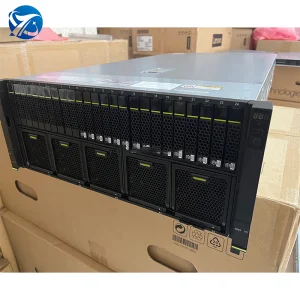
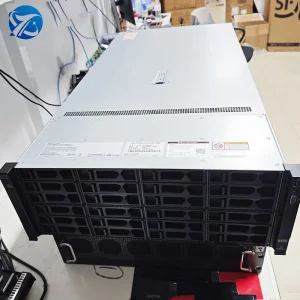
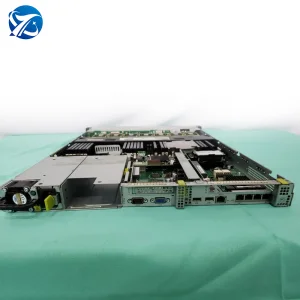
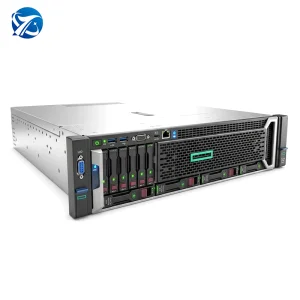
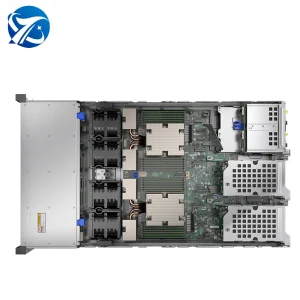
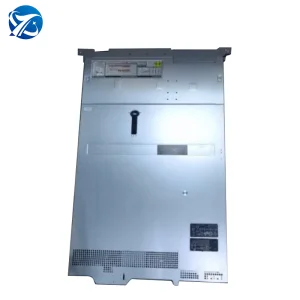
 Arkon Server