Top 10 Custom GPU Server Builders for Global Buyers

Time:2026-09-13 Author:Oliver
0%

Choosing the right custom gpu server builder can shape an organization’s entire AI and high-performance computing strategy. Global buyers need more than impressive specifications. They need dependable engineering, clear communication, tested components, and support that continues after delivery.

This guide introduces ten leading custom GPU server builders serving international customers. Each company is considered through practical criteria, including GPU compatibility, thermal design, power efficiency, rack integration, warranty coverage, and deployment experience. A capable builder should understand workloads such as model training, inference, scientific simulation, video rendering, and data analytics. It should also explain trade-offs clearly, rather than pushing the most expensive configuration.

Small details matter. A server may look powerful on paper, yet poor airflow can reduce sustained performance. A delayed replacement part can interrupt a production cluster. Regional voltage standards, import procedures, certifications, and local service capacity also deserve careful attention. These factors are easy to overlook.

Not every builder will suit every buyer. That is the point.

Some companies excel at rapid customization. Others focus on enterprise reliability, dense GPU platforms, or specialized liquid cooling. Their published claims should still be checked against references, testing records, and support terms. Real experience often reveals gaps that product pages do not show.

This overview is designed to help procurement teams, system architects, research institutions, and growing technology companies compare options with greater confidence. It does not treat rankings as permanent. Hardware platforms, supply chains, and service quality change. A careful buyer should verify current availability, total operating costs, and technical support before making a final decision.
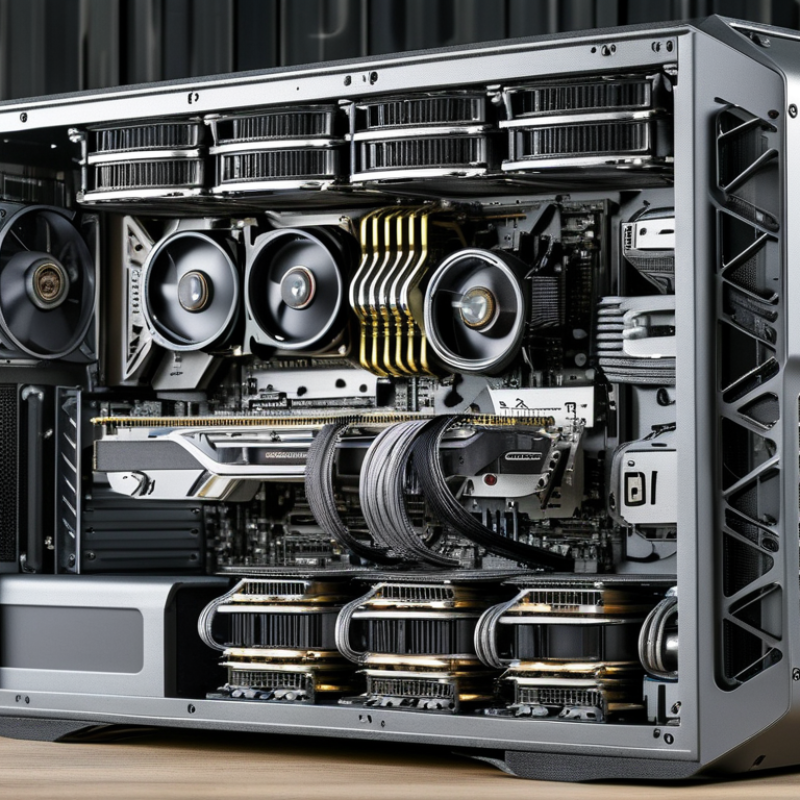
Top 10 Custom GPU Server Builders for Global Buyers

What Custom GPU Server Builders Do

Top 10 Custom GPU Server Builders for Global Buyers

What Custom GPU Server Builders Do

Custom GPU server builders turn demanding workloads into tested, rack-ready systems. They study model training, inference, rendering, simulation, and data analytics requirements. A practical builder checks PCIe lane allocation, GPU spacing, power delivery, airflow, memory capacity, and storage speed. It also matches network bandwidth to data movement, not just processor specifications. This prevents expensive bottlenecks after deployment.

Experienced teams validate hardware under sustained load. They test thermal behavior, error logs, firmware, remote management, and recovery procedures. Good documentation should identify serial numbers, cable paths, BIOS settings, and replacement steps. For global buyers, builders may coordinate export paperwork, regional power standards, delivery schedules, and local service arrangements. Yet no design is perfect. Workloads change, and early assumptions can age badly. A reliable partner should explain trade-offs plainly and revise the plan when measured results disagree.

Tips: Request a written configuration. Ask for performance tests using your own workload samples. Confirm warranty scope, spare-part availability, noise limits, and support response times. Leave expansion space; a full rack can become a costly constraint.

How to Define Your GPU Server Requirements

How to Define Your GPU Server Requirements

Before comparing custom GPU server builders, define the workload precisely. Training, inference, rendering, and scientific simulation need different configurations. Record model size, batch size, expected users, and target response time. A useful starting point is the performance-per-watt target, not the GPU count alone. The International Energy Agency reported that data centers used about 460 TWh of electricity in 2022. It also projects demand could exceed 1,000 TWh by 2026. Power planning is no longer a minor specification.

Measure the full system. Include GPU memory, interconnect bandwidth, CPU lanes, storage speed, and network throughput. Eight accelerators may look impressive, but insufficient memory can force slow data transfers. Check rack depth, circuit capacity, cooling method, and local voltage standards. Thermal limits matter. The Uptime Institute’s 2024 Global Data Center Survey found that 54% of respondents reported their latest outage cost more than $100,000. Redundant power supplies and tested failover can reduce operational risk, although they increase cost and space requirements.

Budget for deployment, not only purchase. Estimate electricity, maintenance, firmware updates, replacement parts, and technician access over three years. Require documented benchmark conditions, warranty coverage, and delivery timelines. Ask whether performance was measured with your dataset. Synthetic results can mislead. I have seen teams overbuy accelerators and underbuy storage. That mistake is expensive. A smaller server with balanced memory, networking, and cooling may deliver better usable throughput. Recheck every assumption before signing.

Key Criteria for Evaluating Global Builders

When comparing the top ten custom GPU server builders, global buyers should test evidence, not polished claims. Ask for thermal logs, burn-in records, and component traceability. A credible builder explains GPU density, power draw, airflow, and rack limits in writing. The International Energy Agency reports that data centers used about 460 TWh worldwide in 2022. It expects consumption to exceed 1,000 TWh by 2026. That trajectory makes energy modeling a procurement requirement, not an optional spreadsheet.

Request measured performance under your workloads. Synthetic benchmarks can hide memory bottlenecks, network latency, and throttling after hours of use. Require reproducible tests, firmware documentation, and failure-replacement procedures. Uptime Institute’s 2024 Global Data Center Survey found that 53% of respondents experienced an outage in the past three years. Even strong builders can miss a connector, a fan curve, or a service detail. Acceptance testing should include cold starts, sustained inference, distributed training, and recovery drills.

Global support deserves equal scrutiny. Check response times, local spare-part access, customs documentation, warranty boundaries, and escalation ownership. Request references from deployments with similar rack density and climate. ISO 9001 certification can support process confidence, but it cannot prove GPU performance. Review the certificate’s scope. A useful scorecard weights validated throughput, watts per workload, delivery reliability, security controls, and five-year service cost. The cheapest chassis may become the most expensive room heater. Buyers should record assumptions, challenge optimistic estimates, and revise plans when software changes.

Top 10 Custom GPU Server Builders for Global Buyers

Global buyers evaluating the top 10 custom GPU server builders should look beyond processor counts. A dependable builder starts with workload analysis, including model training, inference, rendering, or scientific simulation. It should recommend suitable GPU memory, CPU lanes, storage speed, and network bandwidth. Ask for a written thermal design. A crowded rack can turn impressive hardware into expensive downtime.

Experience appears in practical details. Builders should offer rack compatibility, redundant power options, liquid or high-airflow cooling, and remote management. They should also explain delivery schedules, customs documents, warranty coverage, and regional service limits. A clear configuration sheet matters. So does testing.

Request benchmark results using workloads similar to yours. Generic scores can mislead. Check whether the system supports the required operating environment, driver versions, virtualization features, and security controls. Independent validation is valuable, but buyer references should be recent and relevant. Some suppliers promise flexible customization, yet quietly substitute components during shortages. That risk deserves a written approval process.

Reliability is not only a hardware issue. Ask how failures are diagnosed, which spare parts are stocked, and how technicians respond across time zones. A careful builder documents burn-in testing and records serial numbers. Still, no shortlist is perfect. My own evaluation would leave room for error, especially when prices change quickly or specifications remain incomplete. A modest pilot order can expose these weaknesses before a larger deployment.

How to Compare Pricing, Support, and Delivery Terms

Top 10 Custom GPU Server Builders for Global Buyers

IDC projects global artificial intelligence spending will reach 632 billion dollars by 2028. That growth makes GPU server pricing harder to judge. A low quotation may exclude networking, memory, rails, licenses, or international freight. Compare complete system prices, not chassis prices. Request power-draw estimates at idle and full load. Electricity can reshape total ownership cost within months. Small details matter.

Support terms deserve equal attention. Uptime Institute’s 2024 Global Data Center Survey identifies power issues as a leading cause of serious outages. Ask builders about component burn-in, remote diagnosis, spare-part locations, and replacement timelines. A useful support contract states response hours and escalation contacts. “Business-day support” sounds precise, but it may hide weekends and regional delays. Read every definition.

Delivery promises also need evidence. Require a written lead-time range, production milestones, packaging specifications, and clear customs responsibilities. Confirm whether quoted delivery means factory dispatch or arrival at your facility. For ten shortlisted builders, score pricing, warranty coverage, support speed, and delivery reliability separately. Give references more weight than polished sales sheets. A spreadsheet helps, but it can still mislead. I would leave room for uncertainty, especially when GPU allocation changes weekly. Ask for two configurations: one available now and one scalable later. That comparison often exposes the real premium.

FAQS

What does a custom GPU server builder provide?

A builder designs, assembles, tests, and documents rack-ready systems. It matches GPUs with memory, storage, networking, power, and cooling. The goal is usable performance, not impressive component counts.

Which workload details should buyers prepare?

Define training, inference, rendering, or simulation needs. Record model size, batch size, users, response targets, and dataset volume. Include expected growth. Plans change.

Why should buyers evaluate more than GPU quantity?

More GPUs cannot fix weak memory, slow storage, narrow network links, or poor airflow. Measure the complete data path. Eight accelerators may still deliver disappointing throughput.

What hardware details require careful checking?

Review GPU spacing, PCIe lanes, CPU connectivity, memory capacity, storage speed, rack depth, and circuit limits. Confirm local voltage standards. Measure the whole system.

How can buyers verify real performance?

Request tests using representative workload samples. Check sustained training, inference, cold starts, and recovery behavior. Synthetic benchmarks may hide throttling or transfer delays.

What power and cooling issues matter most?

Estimate electricity use, heat output, circuit capacity, and cooling requirements. Test thermal behavior under prolonged load. A dense chassis can become an expensive room heater.

What documentation should a reliable builder provide?

Request configuration sheets, serial records, cable paths, firmware versions, BIOS settings, and replacement procedures. These details shorten troubleshooting. Missing paperwork creates avoidable delays.

How should global buyers assess support?

Confirm warranty limits, response times, spare-part access, customs documents, delivery schedules, and escalation ownership. Ask about local service options. Promises need written boundaries.

What mistakes commonly increase long-term costs?

Buyers often overpurchase GPUs and underpurchase storage, networking, or cooling. They may trust optimistic estimates too quickly. That assumption may fail.

Should buyers leave room for future expansion?

Yes. Reserve rack space, power capacity, cooling headroom, and network capacity. A completely full rack limits upgrades and complicates maintenance. Nothing is perfect.

Conclusion

Choosing the right custom gpu server builder is essential for organizations that need reliable, scalable, and application-specific computing power. These builders design and assemble GPU servers according to workload demands, including artificial intelligence, machine learning, scientific research, professional visualization, and data analytics. Buyers should first define requirements such as GPU type and quantity, processor performance, memory, storage, networking, power consumption, cooling, operating environment, and future expansion plans.

When evaluating global builders, compare engineering expertise, component compatibility, quality control, system testing, warranty coverage, technical support, communication, and international delivery capabilities. A practical comparison of the top 10 custom GPU server builders should also consider configuration flexibility, lead times, regional service availability, and experience with similar workloads. Pricing should be assessed beyond the initial quotation by reviewing customization costs, shipping, taxes, maintenance, replacement policies, and long-term operating expenses. Clear delivery terms, dependable support, transparent contracts, and scalable upgrade options can help buyers select a partner that delivers consistent performance and sustainable value.

Oliver

Oliver

Oliver is a seasoned marketing professional with a wealth of expertise in driving brand awareness and engagement. With a deep understanding of our company's product offerings, he consistently delivers high-quality content that enriches our professional blog. His insights not only shed light on......